"It will be fine" - the Icelandic formula for happiness

It is hard to find the right words for Iceland. You have to leave the serene and colourful register and enter the dramatically harsh and darker range.

And not because Icelanders are frowning people.

They are rather good-natured and smiling, nice and well-built, not too tall, very well-groomed, with nice haircuts and elegant clothes, fair-haired to white and fair-eyed.

In the numerous Irish, English and local pubs in the evening, young people enter smartly dressed and even costumed, with a distinctly hipster look. Most arrive by taxi – we're talking about Reykjavik, which is no bigger than old Plovdiv.

Reykjavik is a cosy, tidy, clean and low-rise city. Rarely you will see a two-storey building, except for a couple of lovely high buildings on the waterfront with a view to the ocean that turned out to be retirement homes. 

The port is small, full of fish restaurants.

The richest live around a lake in the centre, almost next door to the expensive shops. In this country, everything is next door. The houses are mainly white, with small yards, and do not have the typical protective red colour of Norwegian northern homes. 

You can't get lost in this city, and all roads lead to the Protestant church in the centre, architecturally designed like... a waterfall.

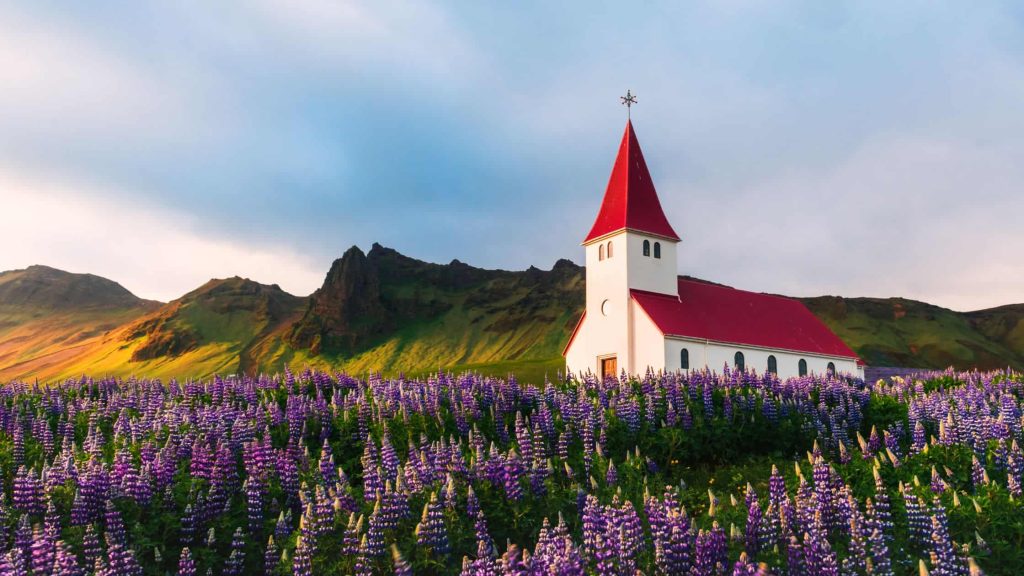
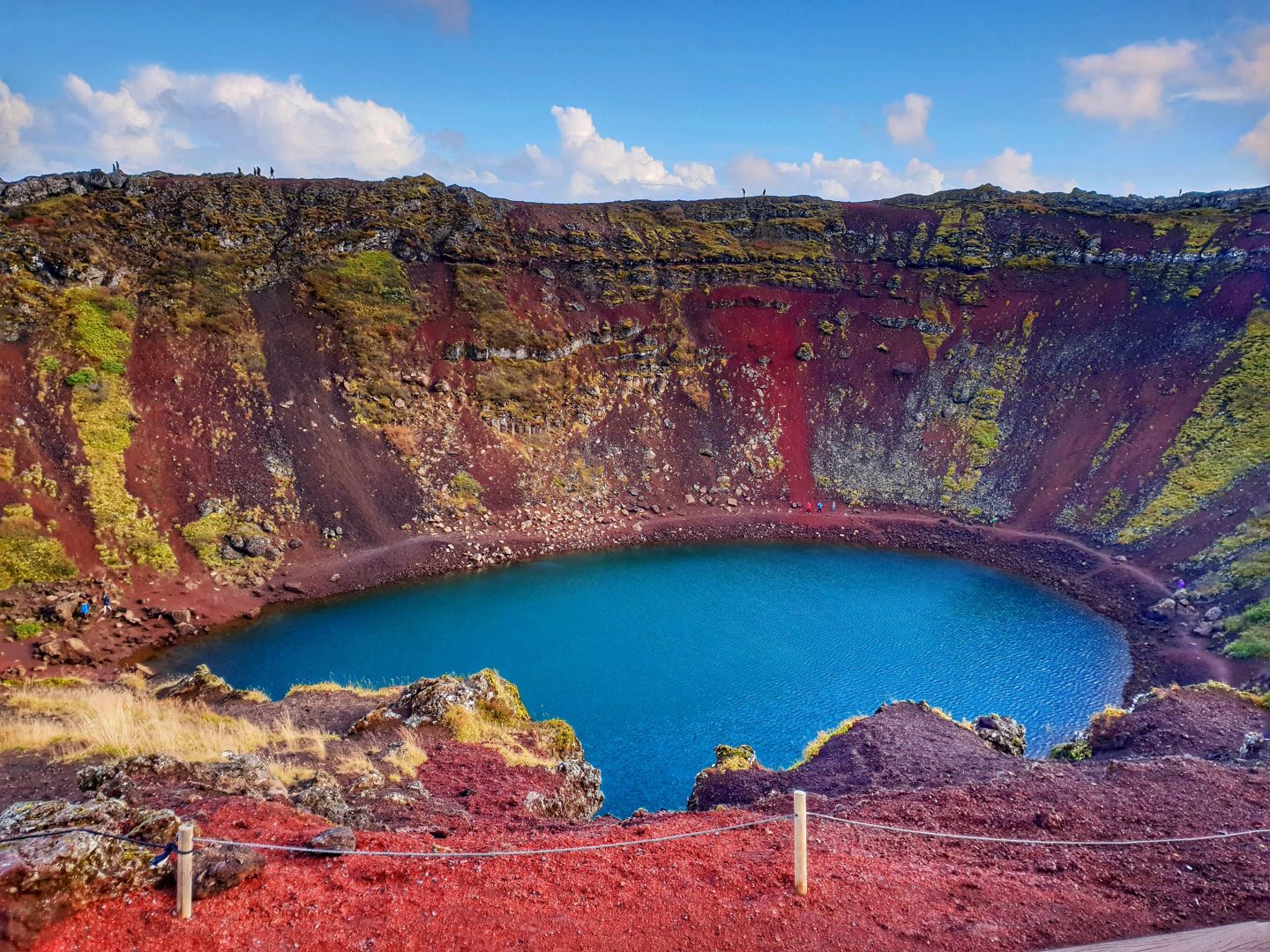
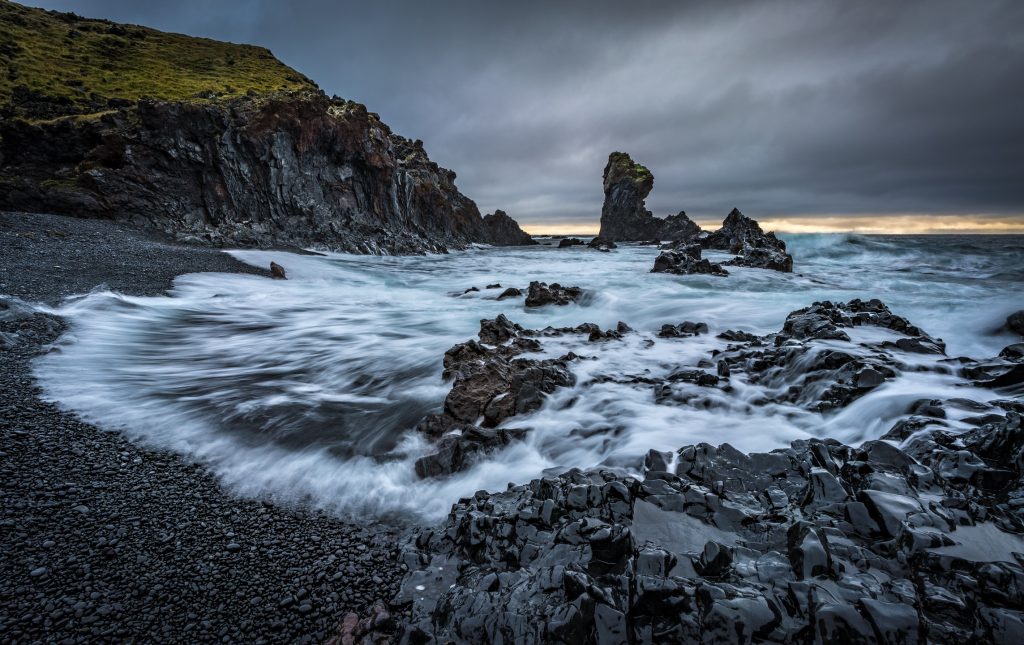
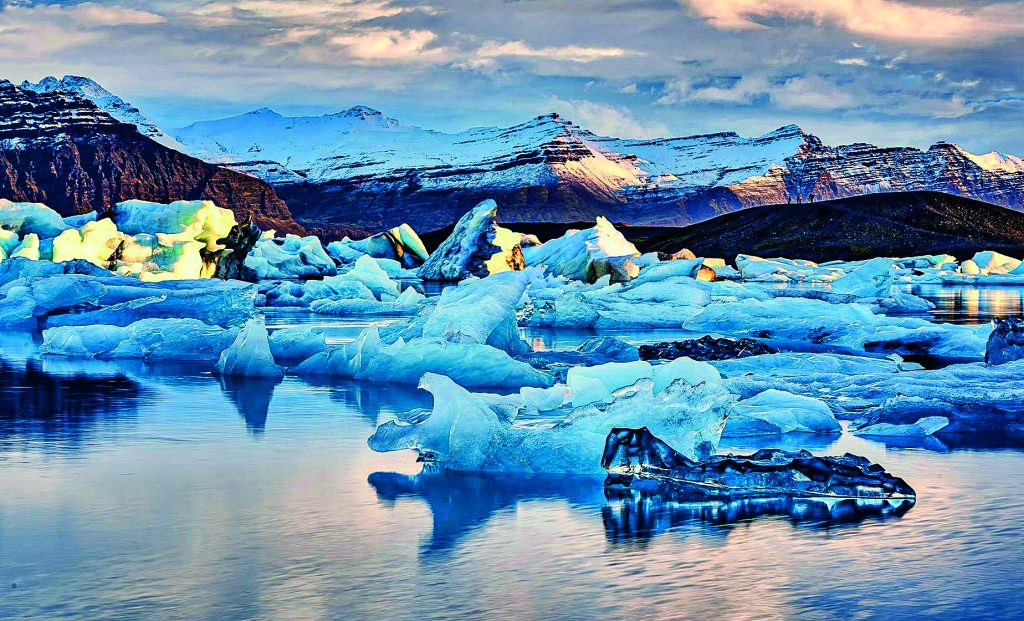
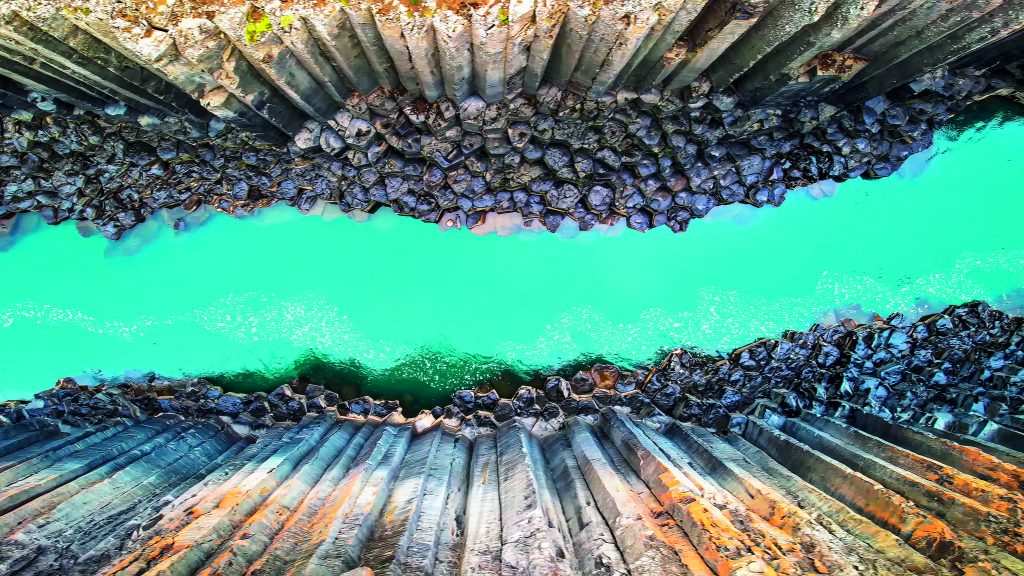
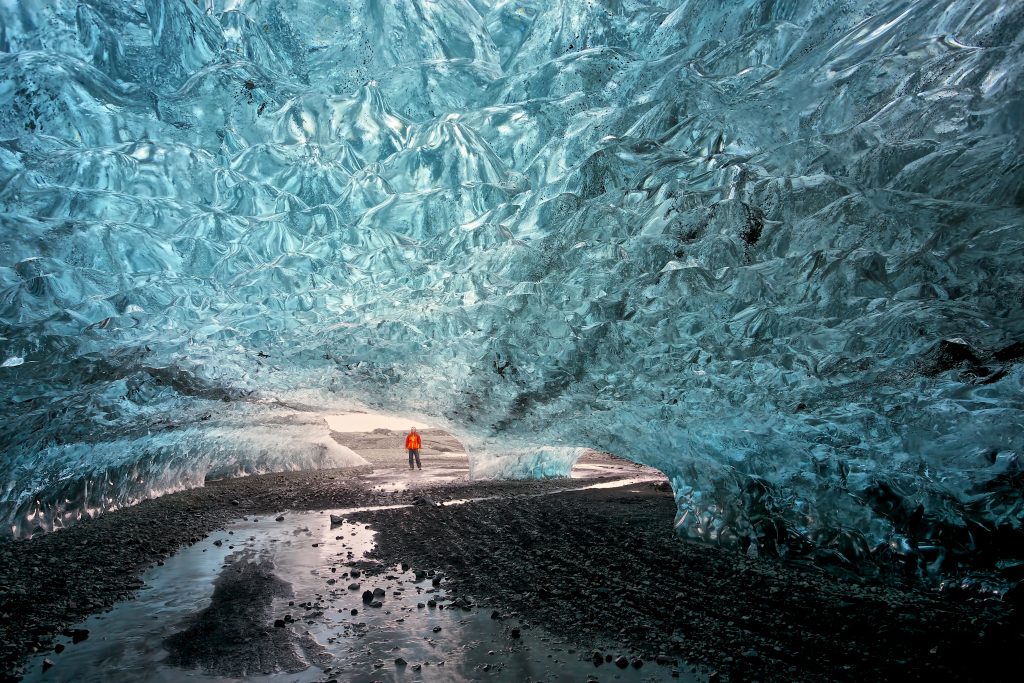
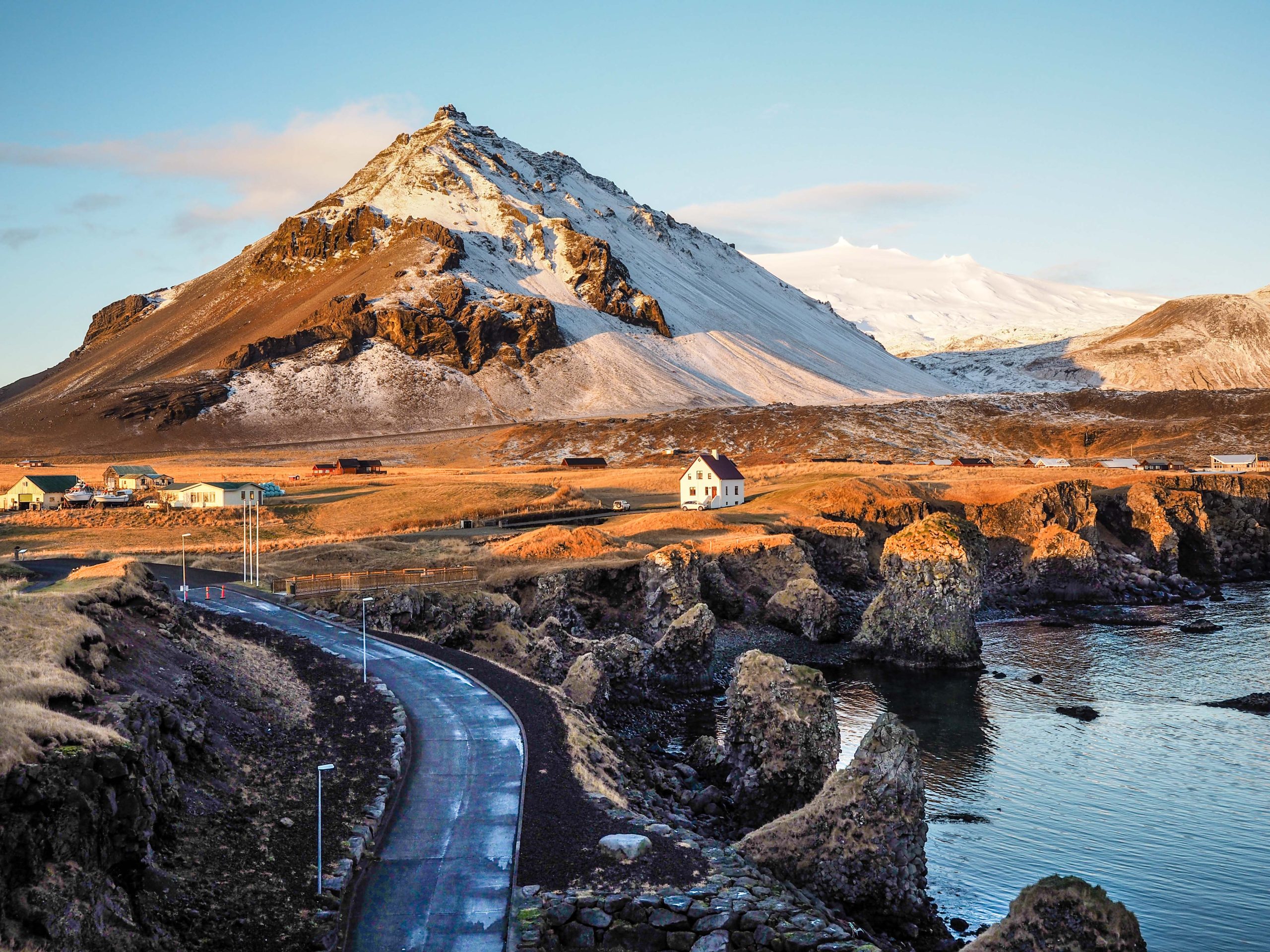
Outside Reykjavik, dark cliffs and chained hills, lakes, geysers, glaciers, endless lava fields, where a house or a hotel just popped up, stabbed into nothingness. And ten neat, always low and tiled houses with two or three shops and a church are already a settlement

If we are to compare the earthly landscape to the human, Iceland occupies the dark secrets of the human subconscious, our terror of the afterlife and the unknown. It is also the sudden change of moods, the attempts of the enlightened mind to overcome sadness and find faith and courage. Today the ocean floods you with a satanic roar, in two days it is calm and quiet. It's just raining and the wind is blowing and will literally take you away, and after five minutes it subsides and you are bathed in pale blue light. Dark practically does not happen.

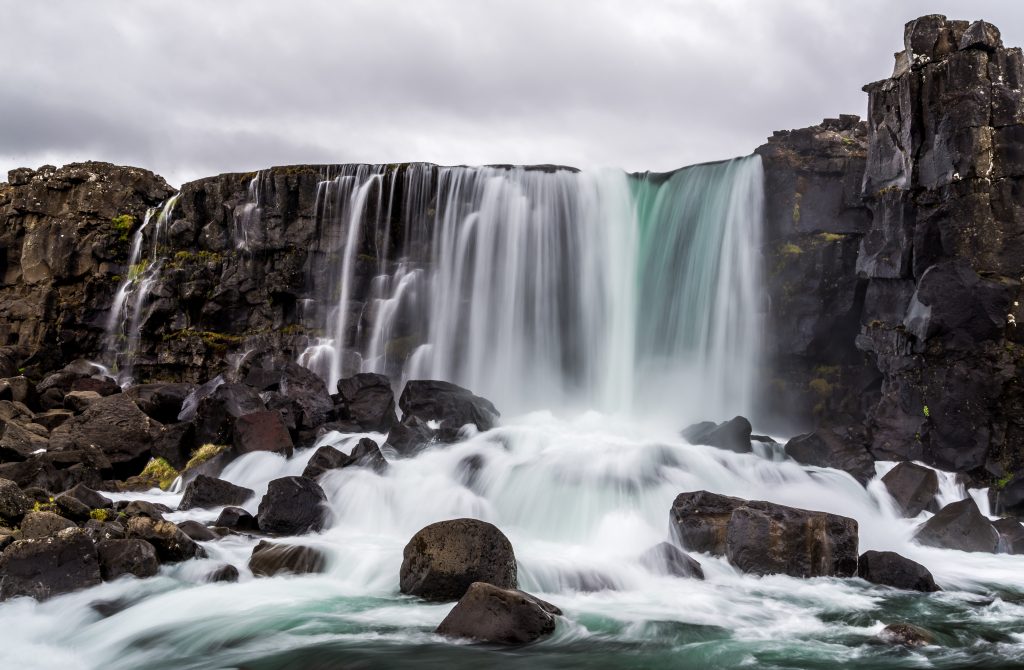
Water is pouring from everywhere.

It falls with terrible force and from a great height, it seeps into the ground, you wonder where it fits. It then makes some physicochemical reaction with the hot volcanic soil and comes out everywhere as smoke. And groundwater and geothermal plants produce electricity so cheap that every second person drives a Tesla.

Here and there, a patch of green creeps in, where the cleanest and most ecological lambs and sheep in the world graze. There are no predators, which is why there is a huge number of birds flying in the sky, making all kinds of sounds. Little survivor flowers are streaking along the rocks, the glaciers are streaked black in places due to the lava dust.

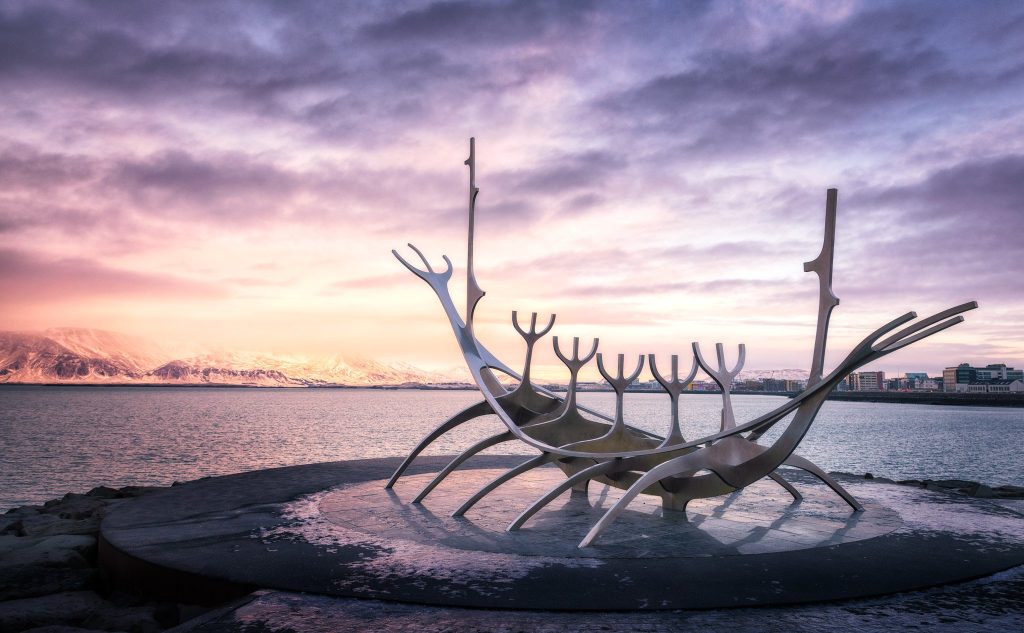
Trolls and elves were the first to settle these lands, and only then did humans come - Irish Christian monks around the 8th century, followed by Vikings from Norway. The women they took from Ireland and Scotland, Celtic women, and the most beautiful ones at that - Iceland has given mankind several Miss Worlds.

Land division was easy - you find free land, surround it with fires and it's yours. The men were in the ocean most of the time and the whole household rested on the women's shoulders. Which built-up iron characters in both, and led, naturally, to the clash between them and their reluctance to enter into conservative notions of marriage nowadays.

In 930 the first parliament (Althing), the oldest governing body in the world, was established here. Laws were passed from mouth to mouth, and violators were not dealt with - men were killed outright, and women drowned in the place now called Þingvellir National Park next to Þingvallavatn Lake

The endless dark nights and days (in winter the day is from 11 am to 3 pm) were filled with stories. Thus were born the famous Icelandic sagas – stories of the first settlers and their descendants.  

In Iceland, everyone is some kind of cousin and because they rarely know it, there is a special website that lists the genealogical links, so when you leave the bar in the middle of the night with someone, you can quickly check if they are too close to you.

Society is extremely open and tolerant of individual reproductive practices, the important thing is to have an exchange of gene pool. A woman can give birth to up to 5 children from 5 different fathers. And because these fathers can have as much as other women, they live as one big family.

By the twentieth century, the population numbered only 100,000 – a closed society that kept its phonetically enchanting language almost intact. The modern Icelander is probably the only one in Europe who can read texts from the tenth and twelfth centuries and understand them.

Iceland actually opened up to the world around and after World War II, in which it was neutral. However, it was first occupied by British and then American troops and to the latter, the Icelanders owe the two airfields they have. Every second person here is involved in tourism. Every place of interest has a huge sign with extensive information – I've never been in such a travel-friendly country.

However, their idea of delicious food is not for everyone. They call delicacies the mutton testicles with Arctic thyme, the cut-up Atlantic puffin in marinade, the jellied horse heads and the stinky fillet of decomposed Greenland grey shark. They pay a fortune for these dishes, especially at the Michelin-starred restaurant in Reykjavik. Their beer, however, is great - because it was banned until 1989, they started to produce some kind of beer that is both